When several groups share one kitchen, ask them before you remodel it
A fellowship hall kitchen often serves many groups, not only the congregation. A remodel should begin by asking each of them.
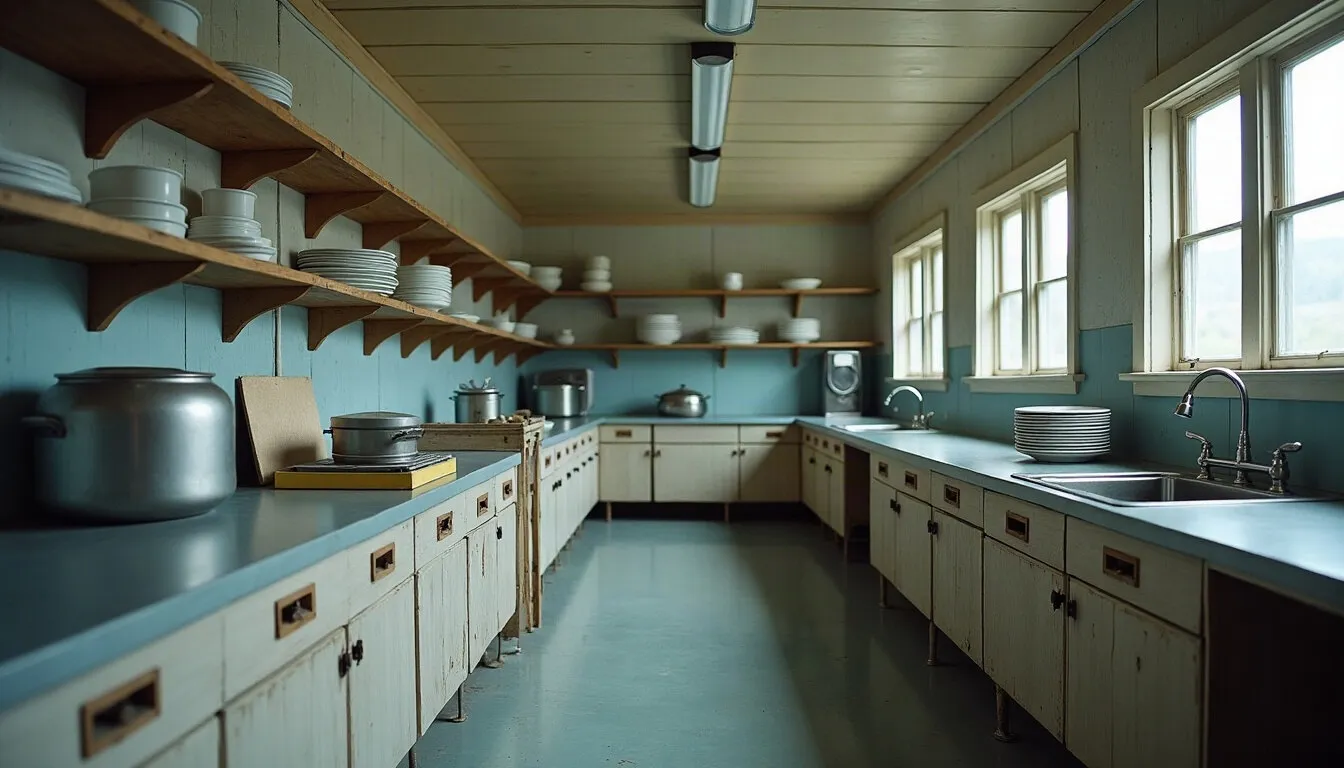
There is a conversation that has not happened yet in a hypothetical fellowship hall near the coast in Wilmington, North Carolina. The building committee has agreed that the old kitchen needs work. The counters are worn, the cabinets swell in the humid summers, and the layout makes three cooks feel like ten.
Before anyone on the committee types kitchen remodeling Wilmington NC into a search box, someone should sit down with the people who actually cook in that room. Not all of them are members. Some of them do not share the congregation's faith at all.
This essay is about that conversation, and why it should come first. It is a way to think the decision through, not design, legal or religious guidance. Plumbing, gas and electrical work belong with licensed professionals.
The kitchen is the committee's decision to make
The private choice is real, and it belongs to the people responsible for the building. The committee will set a budget, choose a contractor and decide what the new kitchen should include. Those are proper tasks for a committee, and nobody else can do them.
The practical questions are familiar. How many people cook at once on the busiest day. Where the large pots go. Whether the sink is deep enough for roasting pans. Whether the counters are at a height that suits the volunteers who use them most. Whether the storage keeps out the damp that comes with a coastal climate.
A good remodeling contractor will ask questions like these at the start. They will want to know who uses the room, how often and for what. They will look at the plumbing and the electrical service and say plainly what the room can support. They will put the scope in writing so the committee can share it.
It is worth asking, too, who has trouble using the room as it is. An older volunteer who cannot reach the top shelves. A cook who uses a wheelchair and cannot get close to the stove. A teenager who never knows where the trays go. A remodel is the rare moment when these small exclusions can be fixed at the same time as everything else, rather than one awkward request at a time.
But the contractor can only ask the committee. The committee has to ask everyone else.
Many groups share this room
Think about who uses the kitchen in an ordinary month.
The congregation's own volunteers, for the meal after services and the holiday dinners. A neighborhood group that cooks for a weekly supper open to anyone. A small community of another tradition that rents the hall for celebrations, and that may keep its own rules about how food is prepared and which dishes are used for what. Families who book the room for a reception after a funeral. A youth group that bakes for fundraisers.
Each group has its own habits and its own needs. One may need a second sink or separate storage so that its practices can be kept. Another needs space for many hands at once. Another simply needs to find things where it expects them.
None of these groups sits on the building committee. Some of them may feel they have no right to ask. They are guests, after all.
That is exactly why the committee should ask them.
Point of order. A group that has rented the hall for years might reasonably ask why a kitchen it depends on was redesigned without a word to them. The fair answer is to invite each regular user group to say what it needs before the plans are drawn, and to tell them afterward what was possible and what was not. That costs an afternoon and turns renters into neighbors.
A fair plan listens before it chooses
The fair standard is not that every request must be granted. Budgets are real. Rooms have only so many walls. The standard is that the people who depend on a shared space should be heard before it changes, and told honestly how their needs were weighed.
Listening well takes some care.
Ask in a way that makes an honest answer easy. A short visit to each group, at a time that suits them, works better than a sign-up sheet. Ask open questions: what is hard about cooking here, what do you need that you do not have, what would you lose if things moved.
Listen without arguing. If a group explains a practice the committee does not share, the right response is to understand how the kitchen can make room for it, not to debate it.
Be careful not to let the loudest voice decide. The group that cooks every week has a strong claim. So does the small group that uses the room twice a year but has nowhere else to go.
Then be honest about the result. If a separate sink was not possible, say so and say why. People can accept a no. What hurts is learning that no one thought to ask.
Fairness also reaches the money. If the remodel will raise the rental fee for the hall, say so early, and think about who can absorb that increase and who cannot. A small group with little income may lose its only gathering place over a change it never asked for. The committee may still decide the fee must rise. It should decide that knowing who will bear it, and perhaps with some thought about how to soften the blow for the groups with the least.
A short record keeps the promise visible
The practical test is whether each group, walking into the finished kitchen, can see that it was considered. A few simple steps make that likely.
- List every group that cooked in the kitchen over the past year, with a contact for each.
- Visit or call each one before the design is settled, and write down what they say.
- Share the main needs with the contractor, along with the budget, and ask what is feasible.
- Decide as a committee, and record which requests were met, which were not and why.
- Tell each group what was decided, before the work begins, along with the dates the kitchen will be closed.
- A few months after the kitchen reopens, ask each group again how it is working.
When the committee is weighing a larger change, a simple comparison can help.
| Choice | Who benefits | Who is disturbed | Who should be asked |
|---|---|---|---|
| Refresh surfaces, keep the layout | Everyone, modestly | All groups, briefly | Every regular user |
| Rework the layout for more cooks | Weekly meal volunteers | All groups, for longer | Every regular user, especially the smallest |
| Add separate storage or a second sink | Groups with specific practices | All groups, for longer | The groups who asked, and the whole committee |
The table is not a ranking. It is a way of keeping every group on the page while the decision is made.
Notice is part of hospitality
Even a well-planned remodel closes the kitchen for a while. For some groups that is an inconvenience. For others it means a meal they serve every week has nowhere to go.
Tell people early. Help them find a temporary place to cook if you can, or adjust the schedule so that the closure falls in a quieter season. Say when the room will be back and keep people informed if that date moves.
Neighbors on the street deserve a word too. A construction dumpster and work trucks on a residential block are a small burden, but a note at the doors nearby is an easy courtesy.
The common good, briefly
A shared kitchen belongs, in a practical sense, to everyone who cooks there, even when the building belongs to one congregation. Before the plans are drawn, make a list of every group that used the room this year and ask each of them, this month, what it needs.

Tabitha Sorrell
Editorial pen name. Faith, pluralism and the practice of listening.
Revised 9 November 2026