Hiring a contractor for the hall's cracked walk, without the favoritism
When a committee spends shared money on a cracked walk or wall, fair hiring matters as much as the concrete.
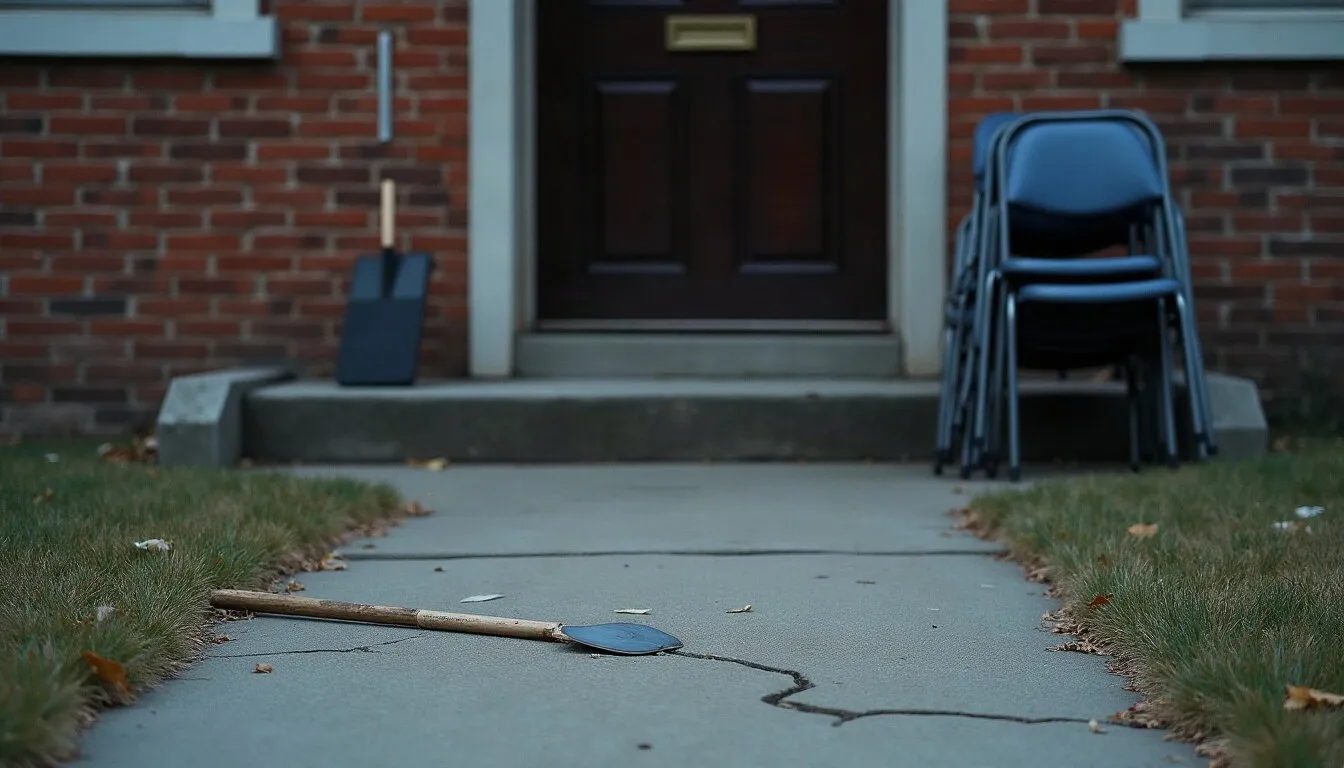
Picture a Saturday morning outside a hypothetical community hall on the edge of Nashville, Tennessee. Volunteers are carrying in folding tables for a rummage sale, and one of them stubs a toe on the same lifted slab of front walk that everyone has been stepping around for two years. Inside, someone points out that the crack in the back wall seems longer than it was last spring.
The hall's committee has a small repair fund and a growing list. Planning a search among general contractors in Nashville TN is easier when the committee first agrees on what it is asking for and how it will choose. The concrete and the masonry are the practical part. The harder part is spending shared money in a way the members can trust.
This essay is about that second part. It is a way to think the decision through, not engineering, legal or financial advice. Anything touching a foundation or a structural wall needs a qualified professional to look at it in person.
The repair decision belongs to the committee, but the hall belongs to everyone
The private choice here is not really private. A committee of five or six people will decide what gets fixed, by whom and for how much, but the money came from dues, bake sales and the occasional generous member. The decision is theirs to make and everyone else's to live with.
Start with the work itself. A lifted or broken front walk, a cracked driveway where cars park for events and a crack in a wall that may or may not be serious are three different kinds of problem. The first two are visible and easy to describe. The third needs someone who knows foundations to look at it and say what it means, because a crack can be old and harmless or a sign of movement that will get worse. A committee should not guess. It should ask a contractor who does foundation and concrete work to assess it, explain what they see in plain words and put the findings in writing.
It helps to separate the list into what is urgent, what is important and what can wait. The trip hazard at the entrance is urgent because people use it every week. The wall crack is important until someone qualified says otherwise. Resurfacing the parking area might wait a season.
It also helps to admit what the committee does not know. Most volunteers can tell a broken slab from a sound one, but few can say why a wall cracked or whether the ground under the hall is moving. That is not a failing. It is a reason to pay for a careful look before paying for a repair, so the money goes to the real problem rather than the most visible one.
The people who use the hall carry the risk
Think about who walks up that front path. Older members who come for the Tuesday lunch. Parents pushing strollers to the children's program. A neighbor using a walker who comes for the evening language class. Renters who book the hall for birthday parties and have no idea the slab is uneven. Each of them is trusting that the people in charge of the building have looked after it.
There are also the volunteers who set up and close up. They carry heavy things across that walk in the dark. And there are the members who give money and expect it to be spent sensibly, some of whom would never think to ask how the repair contractor was chosen until something goes wrong.
The people who carry the most risk are often the ones who have the least say. The person with the walker is not on the committee. The renter is not even a member. Their safety is still the committee's responsibility.
Point of order. A member who did not hear about the repair until the work started might fairly ask why the committee hired the chair's nephew without asking anyone else. The fair answer is to collect more than one written estimate, record why the choice was made and declare any family or business connection before the vote. That costs a few phone calls and keeps trust in the room.
Fair hiring with shared money follows a few plain rules
The fair standard for spending shared money is not mysterious. Most committees already know it and simply skip it when they are busy.
Write down the scope first: what needs fixing, where, and what the committee wants to learn about the wall. Give the same written scope to each contractor asked, so the estimates can be compared fairly. Ask for written estimates that say what is included and what is not. If someone on the committee has a personal or business tie to a bidder, they say so and step out of the decision. Choose on the basis of the whole picture, not only the lowest number: what the work includes, how clearly the contractor explained it, how they plan to keep the entrance safe while the work is under way.
Then tell the members. A short note in the newsletter or at the next meeting saying what was found, who was asked, who was chosen and why is enough. People rarely object to a decision they can see. They object to one they discover.
Ask, too, how the contractor will keep people safe while the work is under way. A torn-up entrance during a week of programs is its own hazard, and a good contractor will have a plan for barriers, a clear path and cleanup at the end of each day. Put that plan in the written agreement so no one has to rely on memory.
Give notice to the people who use the hall. If the front entrance will be closed for a few days, say so in advance and point to the side door. If the rummage sale needs to move, move it with plenty of warning.
A checklist the committee can finish this week
The practical test is whether the decision can be shown to any member and make sense to them. Here is a short list a committee can work through over a single week.
- Walk the outside of the hall together and note every trip hazard, crack and loose stone.
- Put a temporary warning or a mat over the worst spot, and point people to another entrance if needed.
- Write a one-page scope and send it to more than one contractor.
- Ask each to look at the wall crack and say in writing what they think it means.
- Record any personal ties to a bidder and who stepped out of the vote.
- Choose, then tell the members what was decided and why.
- Set a date, perhaps after the next wet season, to walk the building again.
A simple comparison can help when the money will not stretch to everything.
| Option | Who is at risk while it waits | Who is disturbed by the work | Who should decide |
|---|---|---|---|
| Fix the walk now, assess the wall | Low at the entrance, unknown at the wall until assessed | Lunch and children's programs, briefly | Committee, after estimates |
| Fix both now | Low | Most hall users, for longer | Committee, with a member update |
| Wait until next year | Everyone who uses the entrance | No one now | Hard to defend if someone falls |
The same habits work for a street or a block
The same thinking applies to a shared driveway between row houses, or a cracked sidewalk that three neighbors agree to fix together. Write down what needs doing, ask more than one contractor, share the estimates with everyone who is paying and agree on who signs off. It is a little slower than letting the most energetic neighbor handle it alone, but it saves a lot of hard feelings when the bill arrives.
The common good, briefly
A cracked walk outside a community hall is a small thing until someone falls on it, and a hiring decision is a small thing until someone feels it was made behind their back. This week, put a mat over the worst spot, write the one-page scope and send it out to more than one contractor.

Marisol Fenwick
Editorial pen name. Community life and everyday civic participation.
Revised 9 November 2026